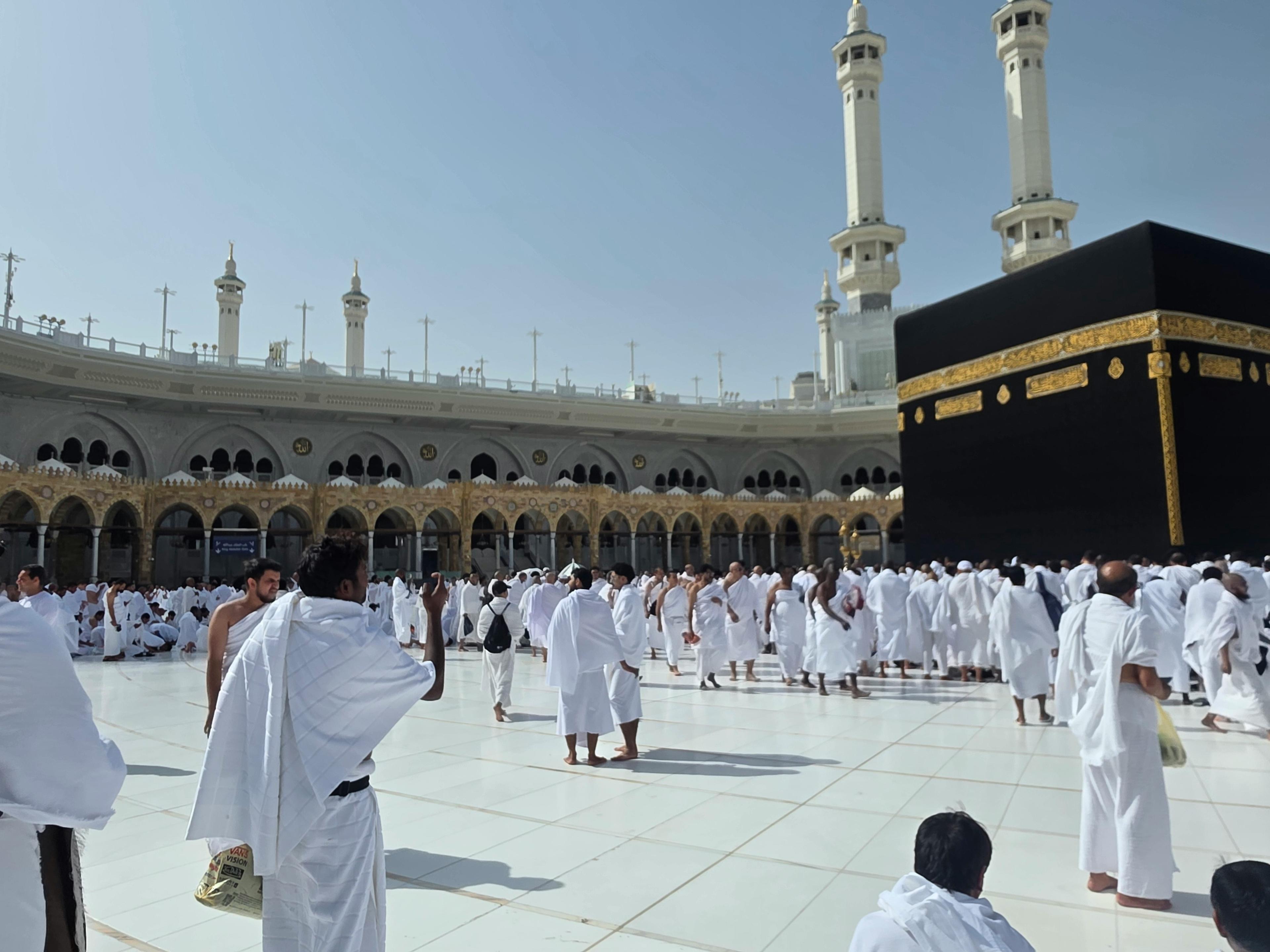
Learn how to perform Hajj with our comprehensive guide, including essential steps and spiritual significance.
Understanding Hajj: A Complete Guide to the Islamic Pilgrimage
Discover the significance of Hajj, how to prepare for the pilgrimage, the main rituals and their spiritual meaning.
1. Introduction to Hajj
Hajj is the fifth pillar of Islam and one of the most significant acts of worship for Muslims. It is an annual pilgrimage to Makkah (Mecca), in Saudi Arabia, performed during the Islamic month of Dhu al-Hijjah.
Every year, Muslims from across the world travel to Makkah to fulfil this important religious obligation. Hajj brings together people of different nationalities, cultures and backgrounds, united by their faith in Allah.
The pilgrimage is an opportunity for spiritual renewal, repentance, prayer and reflection. Through its rituals, Muslims remember the devotion and sacrifices of Prophet Ibrahim (Abraham) and his family.
Hajj is not simply a journey to a holy place. It is an act of worship that encourages humility, patience, discipline, gratitude and a stronger connection with Allah.
2. Who Is Required to Perform Hajj?
Hajj is obligatory once in a lifetime for a Muslim who meets the relevant conditions and has the ability to undertake the journey.
- Being Muslim: Hajj is an act of Islamic worship.
- Maturity and mental capacity: The obligation is generally associated with being an adult of sound mind.
- Physical ability: A person must be able to undertake the pilgrimage, taking account of their health and circumstances.
- Financial ability: The person should be able to afford the journey and provide appropriately for dependants left at home.
- A safe and feasible journey: The person must have a reasonable means of travelling and fulfilling the pilgrimage.
Detailed rulings concerning ability, disability, financial circumstances and travel arrangements can vary according to individual circumstances and Islamic schools of thought.
Children may accompany their families and perform Hajj, but this does not generally fulfil their obligation to perform Hajj again after reaching adulthood, if they are then able to do so.
3. The Spiritual Significance of Hajj
Hajj teaches Muslims that all people are equal before Allah, regardless of wealth, status, nationality or appearance.
The simple clothing worn by male pilgrims in Ihram and the modest dress of female pilgrims reflect humility and the rejection of worldly distinctions. The gathering at Arafat reminds Muslims of accountability before Allah and the importance of seeking forgiveness.
Hajj also commemorates the devotion of Prophet Ibrahim and his family. The Sa'i ritual, for example, recalls Hajar's search for water for her son, Ismail, and her trust in Allah.
Through prayer, remembrance, sacrifice and acts of kindness, pilgrims are encouraged to develop greater faith and return home committed to living more righteous lives.
4. Preparing for Hajj
Good preparation helps pilgrims perform their religious duties with greater confidence and peace of mind.
Spiritual Preparation
- Renew your intention (Niyyah) and ensure that your pilgrimage is undertaken sincerely for the sake of Allah.
- Learn the main rituals and their correct order before travelling.
- Familiarise yourself with relevant prayers, supplications and the Talbiyah.
- Seek forgiveness, settle debts where possible, and address outstanding responsibilities.
- Ask a knowledgeable scholar or qualified Hajj guide about questions specific to your circumstances.
Travel and Documentation
- Obtain the appropriate Hajj authorisation, visa and travel arrangements through official channels.
- Keep your passport, booking details, identification and emergency contacts secure.
- Arrange accommodation and transport through an authorised provider.
- Check the current requirements published by the Saudi authorities, as regulations can change each year.
Health and Physical Preparation
Hajj can involve extensive walking, crowded areas and hot weather. Pilgrims should prepare by building up their walking stamina, wearing suitable footwear outside Ihram restrictions, staying hydrated and resting when needed.
Consult a healthcare professional about vaccinations, existing medical conditions and prescribed medication. Keep essential medicines appropriately labelled and check the rules for bringing them into Saudi Arabia.
Packing Essentials
- Suitable clothing and comfortable footwear.
- Unscented toiletries for use during Ihram.
- A refillable water bottle and sun protection.
- Prescribed medication and basic first-aid supplies.
- Identification, booking information and emergency contacts.
5. Understanding Ihram and Miqat
What Is Ihram?
Ihram is the sacred state a pilgrim enters when beginning Hajj or Umrah with the appropriate intention. It is not simply the clothing worn during the pilgrimage.
Men generally wear two simple pieces of unstitched cloth, while women wear modest clothing that meets Islamic requirements. Women do not have to wear white.
Before entering Ihram, pilgrims commonly perform ritual bathing (Ghusl), prepare themselves and make the intention for their chosen pilgrimage.
The Talbiyah
Once in Ihram, pilgrims recite the Talbiyah:
Labbayka Allahumma labbayk. Labbayka la sharika laka labbayk. Innal-hamda wan-ni'mata laka wal-mulk. La sharika lak.
This is commonly translated as: "Here I am, O Allah, here I am. Here I am, You have no partner, here I am. Surely all praise, blessings and sovereignty belong to You. You have no partner."
What Is Miqat?
Miqat refers to the designated boundary points beyond which pilgrims intending to perform Hajj or Umrah must not pass without entering Ihram, subject to the applicable rulings.
Pilgrims travelling by air should make arrangements to enter Ihram before crossing the relevant Miqat. They should check their route and seek guidance from their travel provider or Hajj guide.
Restrictions During Ihram
Restrictions include applying perfume after entering Ihram, deliberately removing hair or nails, hunting, and certain forms of marital intimacy. Men must also avoid wearing ordinary fitted garments of the types prohibited during Ihram and covering the head in the prescribed manner. Women follow their own specific rules concerning dress and face covering.
Precise rulings and exceptions vary, so pilgrims should seek reliable religious guidance if they make a mistake or face a difficult situation.
6. The Three Types of Hajj
Hajj al-Tamattu'
The pilgrim performs Umrah during the Hajj season, leaves Ihram after completing Umrah, and later enters Ihram again for Hajj. A sacrificial offering (Hady) is generally required, subject to the relevant rules and exceptions.
Hajj al-Qiran
The pilgrim combines Hajj and Umrah under one Ihram, remaining in the sacred state until the applicable rites allow release. A sacrificial offering is generally required.
Hajj al-Ifrad
The pilgrim enters Ihram for Hajj alone. A sacrificial offering is not required solely because of performing Ifrad.
The three types differ in their intentions, sequence and certain requirements. Pilgrims should confirm which type they will perform with their Hajj provider or a qualified scholar.
7. The Main Rituals of Hajj: A Step-by-Step Guide
The main Hajj rites take place from the 8th to the 13th of Dhu al-Hijjah, although some rites may be completed at different times according to the applicable rules.
8 Dhu al-Hijjah: Mina
Pilgrims commonly enter or renew Ihram for Hajj as required by their chosen type, recite the Talbiyah and travel to Mina.
Mina is a valley near Makkah where pilgrims spend time in prayer, remembrance and preparation for the following day's central rite.
9 Dhu al-Hijjah: Standing at Arafat
Standing at Arafat, known as Wuquf, is a central pillar of Hajj. Pilgrims gather in the plain of Arafat to pray, remember Allah, seek forgiveness and make sincere supplications.
This is widely regarded as the most important day of Hajj. The experience encourages reflection on faith, repentance and the mercy of Allah.
Pilgrims then proceed towards Muzdalifah according to the organised arrangements and timings for their group.
The Night at Muzdalifah
At Muzdalifah, pilgrims pray and spend part of the night in remembrance of Allah. They commonly collect small pebbles for the stoning rites.
The arrangements for the night, including the length of stay, may differ according to individual circumstances and applicable rulings.
10 Dhu al-Hijjah: Eid al-Adha
On the Day of Sacrifice, pilgrims perform several important rites, including:
- Ramy al-Jamarat: Stoning the largest Jamarah, known as Jamarat al-Aqabah.
- Sacrifice: Arranging the Hady offering where required.
- Shaving or trimming the hair: Men shave or shorten their hair, with shaving commonly considered preferable. Women trim a small portion according to applicable guidance.
- Tawaf al-Ifadah: Performing the essential circumambulation of the Kaaba.
- Sa'i: Completing Sa'i if it is still required for the pilgrim's particular type of Hajj and circumstances.
The order of these rites can vary within recognised rulings. Pilgrims should follow qualified guidance and their group's arrangements.
Eid al-Adha is celebrated by Muslims worldwide through prayer, remembrance of Allah and sacrifice where applicable. Meat from the sacrifice is distributed to those in need according to the relevant rules.
11 and 12 Dhu al-Hijjah: The Days of Tashreeq
Pilgrims generally remain in Mina during these days and perform the stoning of all three Jamarat in the prescribed order.
These days are devoted to remembrance of Allah, prayer and the completion of the remaining Hajj rites. Pilgrims may depart after the required rites have been completed, subject to the applicable rules.
13 Dhu al-Hijjah: An Additional Day in Mina
Some pilgrims remain in Mina for the 13th of Dhu al-Hijjah and perform the stoning rites again. The requirement to remain for this day depends on the pilgrim's circumstances and applicable rulings.
8. Understanding Tawaf and Sa'i
Tawaf: Circumambulating the Kaaba
Tawaf involves walking around the Kaaba seven times in a counter-clockwise direction, following the prescribed starting point at the Black Stone.
It is an expression of devotion to Allah and a reminder of the central place of worship in Islam. Pilgrims should avoid pushing or causing harm in an attempt to reach or touch the Black Stone.
Different types of Tawaf are performed during Hajj, including the relevant arrival circumambulation and Tawaf al-Ifadah. A farewell Tawaf is also generally required before departing Makkah, subject to recognised exceptions.
Sa'i: Walking Between Safa and Marwah
Sa'i involves travelling seven times between the hills of Safa and Marwah within the Grand Mosque complex.
This ritual commemorates Hajar's determination and trust in Allah as she searched for water for her son, Ismail. The story is a powerful reminder of patience, perseverance and reliance on Allah.
The requirement and timing of Sa'i depend on the pilgrim's type of Hajj and which rites have already been completed.
9. The Importance of Following the Correct Rites
Hajj includes essential pillars, required duties and recommended acts. These categories should not be treated as interchangeable.
Missing an essential pillar may mean that Hajj is incomplete until the relevant requirement is fulfilled. Omitting certain required duties may have different consequences, depending on the circumstances and school of Islamic law.
Pilgrims should learn which acts are essential, required or recommended. If they miss a rite, cross a boundary incorrectly or breach a restriction of Ihram, they should seek qualified religious advice rather than assume that their Hajj is automatically invalid.
10. Health, Safety and Good Conduct During Hajj
Hajj involves large crowds and significant physical demands. Pilgrims should take practical steps to protect themselves and others.
- Drink water regularly and protect yourself from excessive heat.
- Follow official crowd-management instructions and use designated routes.
- Stay with your group where possible and agree on a meeting point if separated.
- Keep your identification and emergency contacts accessible.
- Avoid pushing, rushing or putting other pilgrims at risk.
- Be patient, respectful and considerate, especially when people are tired or distressed.
- Follow current public-health guidance and seek medical help if you become unwell.
Pilgrims travelling from the UK should check the latest advice from the UK government, TravelHealthPro and the Saudi Ministry of Health before departure.
11. What Happens After Hajj?
Completing Hajj is a significant spiritual milestone, but its lessons should continue beyond the pilgrimage.
Pilgrims are encouraged to reflect on their experiences, maintain regular prayer, seek forgiveness, give charity, treat others kindly and avoid returning to harmful behaviour.
Hajj is also an opportunity to strengthen family relationships, improve personal character and renew one's commitment to living according to Islamic teachings.
The acceptance of Hajj is ultimately known to Allah. Muslims should approach their pilgrimage with hope, sincerity and humility rather than assuming that completing the outward rituals alone guarantees acceptance.
12. Frequently Asked Questions About Hajj
How many times must a Muslim perform Hajj?
Hajj is obligatory once in a lifetime for a Muslim who meets the relevant conditions. Additional pilgrimages are voluntary.
How long does Hajj take?
The principal rites are performed during the days of Hajj in Dhu al-Hijjah. The overall travel period may be longer because of flights, accommodation, preparation and other arrangements.
Do men and women perform the same rituals?
Men and women share the main Hajj rites, although some rules concerning clothing, Ihram and certain practical circumstances differ.
Is sacrifice required for every type of Hajj?
No. A sacrificial offering is generally required for Tamattu' and Qiran, while it is not required solely for performing Ifrad. Specific circumstances and exceptions may affect the ruling.
Can a person perform Hajj on behalf of someone else?
There are recognised circumstances in which Hajj may be performed on behalf of another person, particularly someone who has died or is permanently unable to perform it. The conditions should be checked with a qualified scholar.
Is Hajj physically demanding?
Yes. It can involve considerable walking, heat, crowds and changes in routine. Physical preparation, appropriate medical advice and careful planning are important.
13. Conclusion
Hajj is much more than a journey to Makkah. It is an act of worship that combines devotion, sacrifice, patience, humility and a renewed commitment to Allah.
From entering Ihram to standing at Arafat, from performing Tawaf and Sa'i to completing the rites in Mina, every stage carries spiritual significance.
With proper preparation, sound religious guidance and consideration for fellow pilgrims, Muslims can approach Hajj with greater understanding and confidence.
The ultimate aim is not simply to complete the pilgrimage, but to allow its lessons to shape everyday life through stronger faith, better character, generosity and compassion.